
02 · Four testing pathways
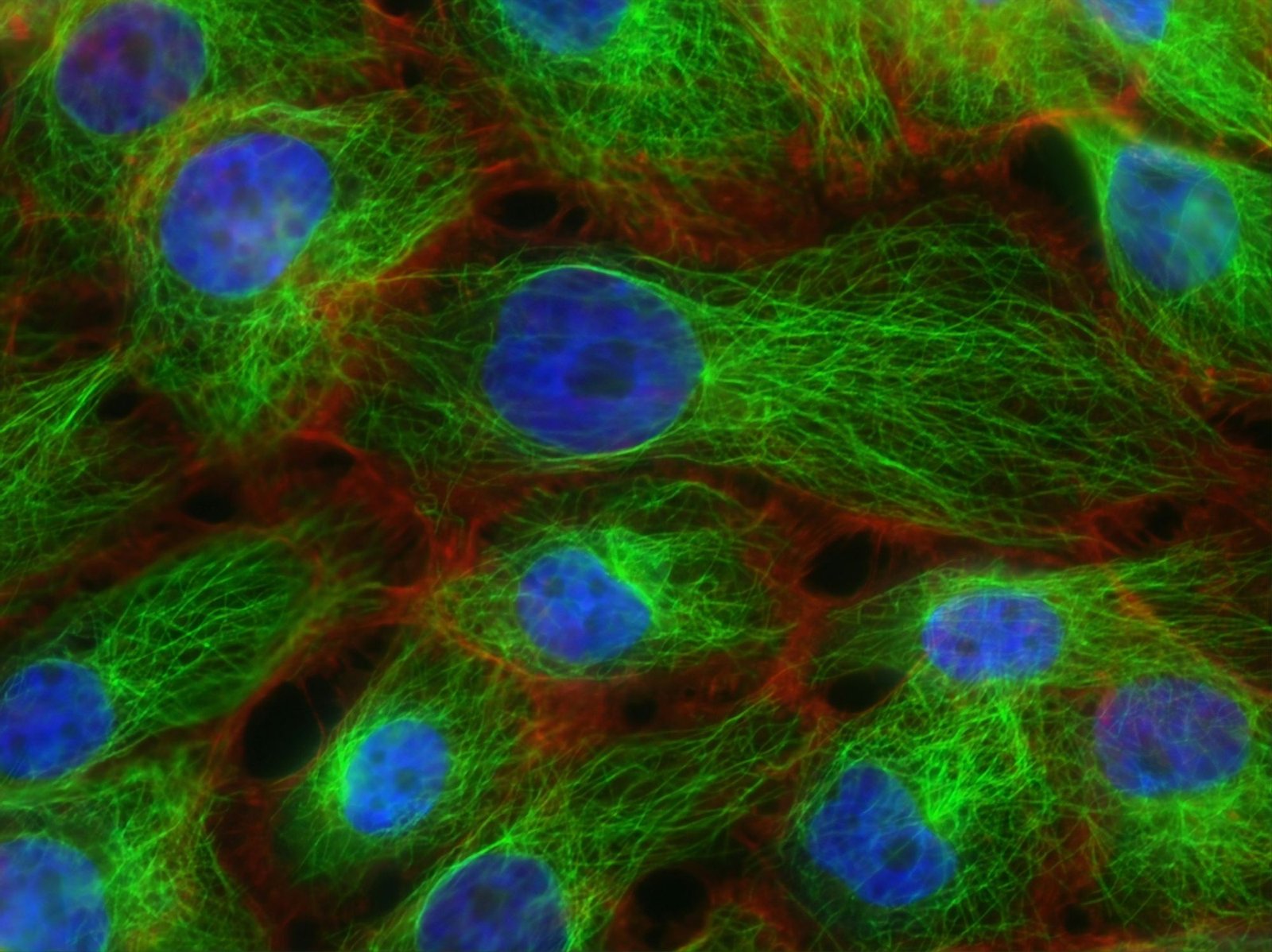
Solid tumours · Tissue 335
Twin Tissue. Tissue-based molecular analysis for solid tumours.
Overview
What this pathway is
OnKommon Twin · Twin Tissue
335-gene panel. FFPE or fresh tumour tissue.
Twin Tissue analyses tumour tissue with a 335-gene panel, using either formalin-fixed, paraffin-embedded (FFPE) tissue — the way most biopsy samples are stored — or fresh tumour tissue.
Intended audience and use
Who it is for
People with solid tumours who have a suitable tissue sample, where the treating team considers targeted tissue profiling appropriate.
Sample and testing pathway
Sample and what is generated
- Sample
- FFPE or fresh tumour tissue.
- Information generated
- Findings across the 335-gene panel, with the biomarkers integrated into the Twin.
From result to Twin
How the information enters Twin
Tissue findings form the molecular foundation of the baseline Twin and are interpreted through the relevant layers, with the tissue's tumour content and quality recorded as context.
Analytical layers most relevant to this route
- 2SourceGuardSomatic and germline interpretation
- 1CloneTraceClonality and tumour evolution
- 4PhenoMapMolecular and cellular phenotype
- 5ImmuneLensImmune landscape and biomarkers
- 6AccessMatchActionable alterations and targetability
- 8ResistMapResistance mechanisms and bypass routes
- 16TrialGraphClinical trial matching and prioritisation
Strengths
Why this route
- Reads the tumour directly, from the sample most patients already have.
- Works with FFPE — the way most biopsies are stored — or fresh tissue.
- A focused 335-gene panel, sequenced deeply for sensitive detection.
How every finding is interpreted, from detection to decision
Deliverables
What you receive
- A structured Twin report in the five documented components: executive molecular summary, molecular findings, treatment options to evaluate, clinical-trial matches and a longitudinal view.
- Review and sign-off by the treating oncologist, within the KPCIRC sign-off process.
- Entry into the six-month Twin journey, with the option to continue into a Twin track afterwards.
The treating oncologist owns every decision. Every Twin report is reviewed and signed by the treating oncologist, then taken to KPCIRC's Molecular Tumour Board.
KPCIRC sign-off processQuestions