
OnKommon AVATAR · Biological investigational plan
From genome to biological response.
01 · Interpret
Interpret the genome.
02 · Model
Select the mutations to model.
02 · Model · Drosophila melanogaster
An engineered fruit-fly model.
03 · Screen
Screen candidates in the model.
04 · Observe
Record what the biology shows.
Two evidence streams
Computational and experimental — kept labelled.
05 · Review
Reviewed by the MTB. Signed by the oncologist.
06 · The plan
Readthetumour'sgenome.Thenwatchitsbiologyrespond.
Try it · Reading an output
Read an AVATAR output like an expert.
Seven statements. For each, decide what an AVATAR output supports.
Choose an answer for each statement.
01The engineered model carries alterations selected from the tumour's genome.
02A candidate changed a measured outcome in the model, under the conditions tested.
03The finding is a hypothesis worth further investigation.
04The candidate drug will work for the patient.
05The candidate drug is safe for the patient.
06The candidate is approved for the patient's cancer.
07The oncologist should choose treatment based on this result.
Nothing you choose here is stored or sent anywhere.
08 · Who it is for
Researchers, translational teams and clinicians
The treating oncologist owns every decision. Every AVATAR integrated report is reviewed by KPCIRC's Molecular Tumour Board, then finalised and signed by the treating oncologist.
KPCIRC sign-off processGo deeper
Explore AVATAR
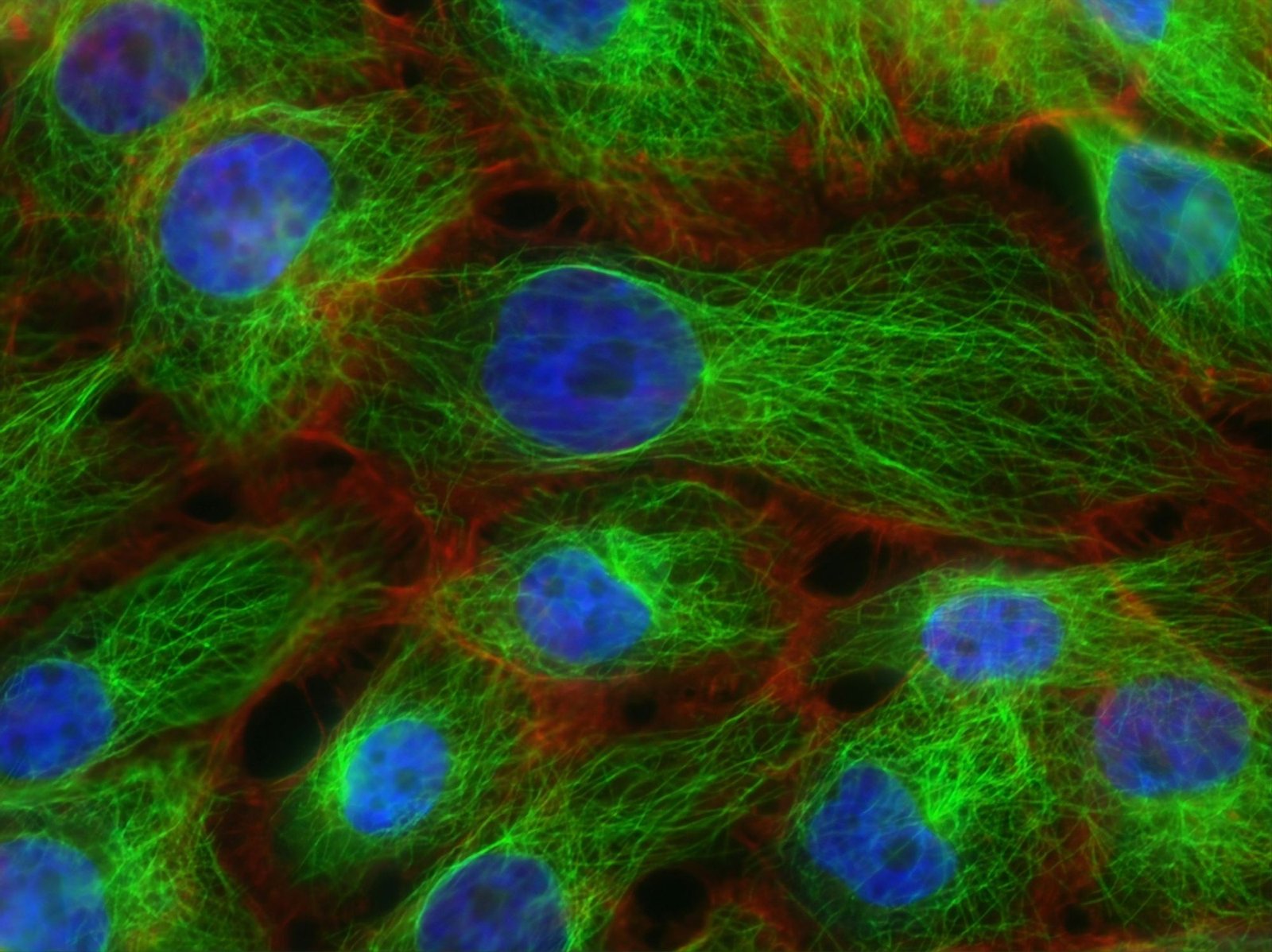
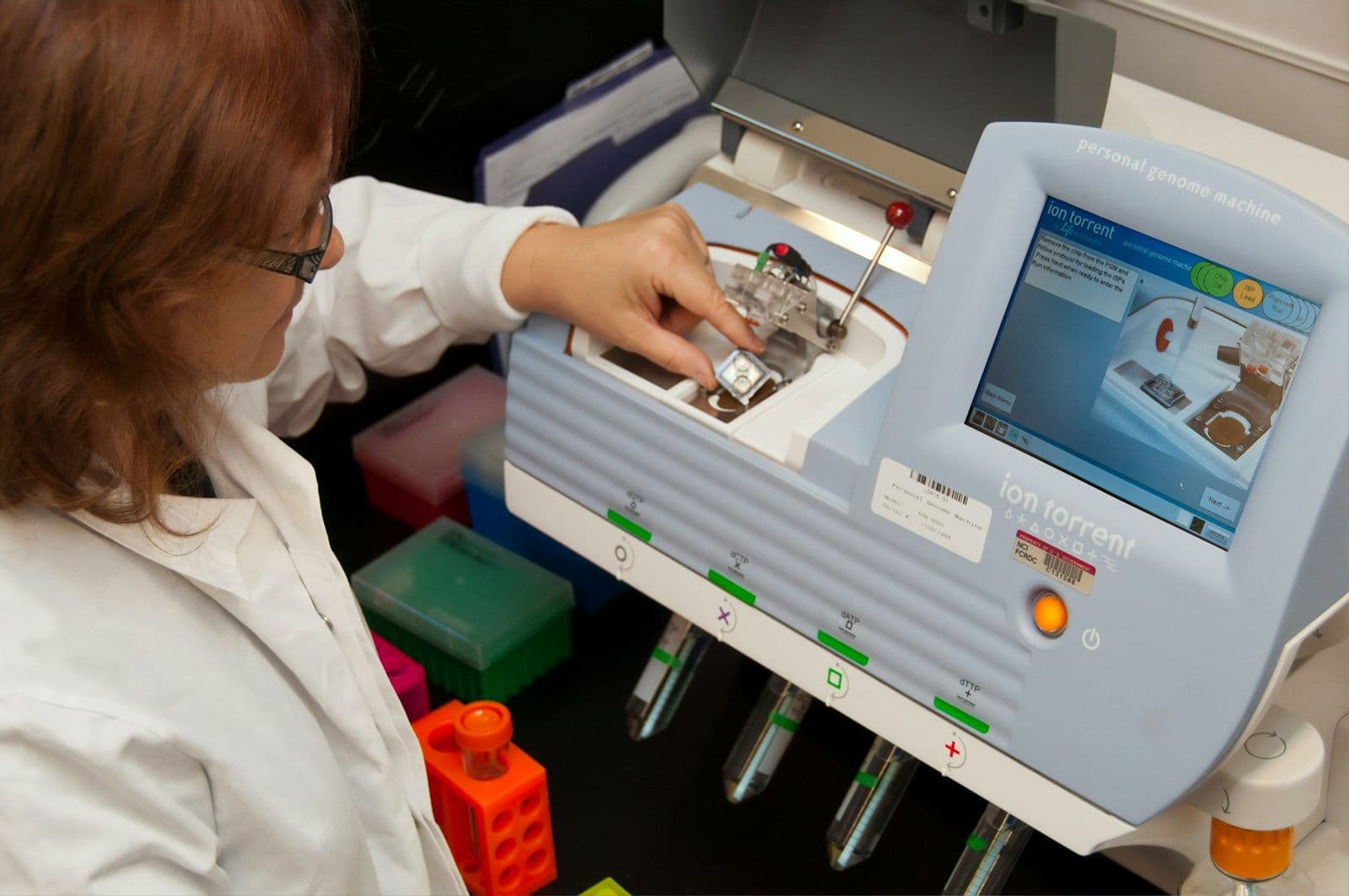 OnKommon InterpreterHow the tumour's genetic report is read — drivers, biomarkers and evidence — before AVATAR begins.Read more
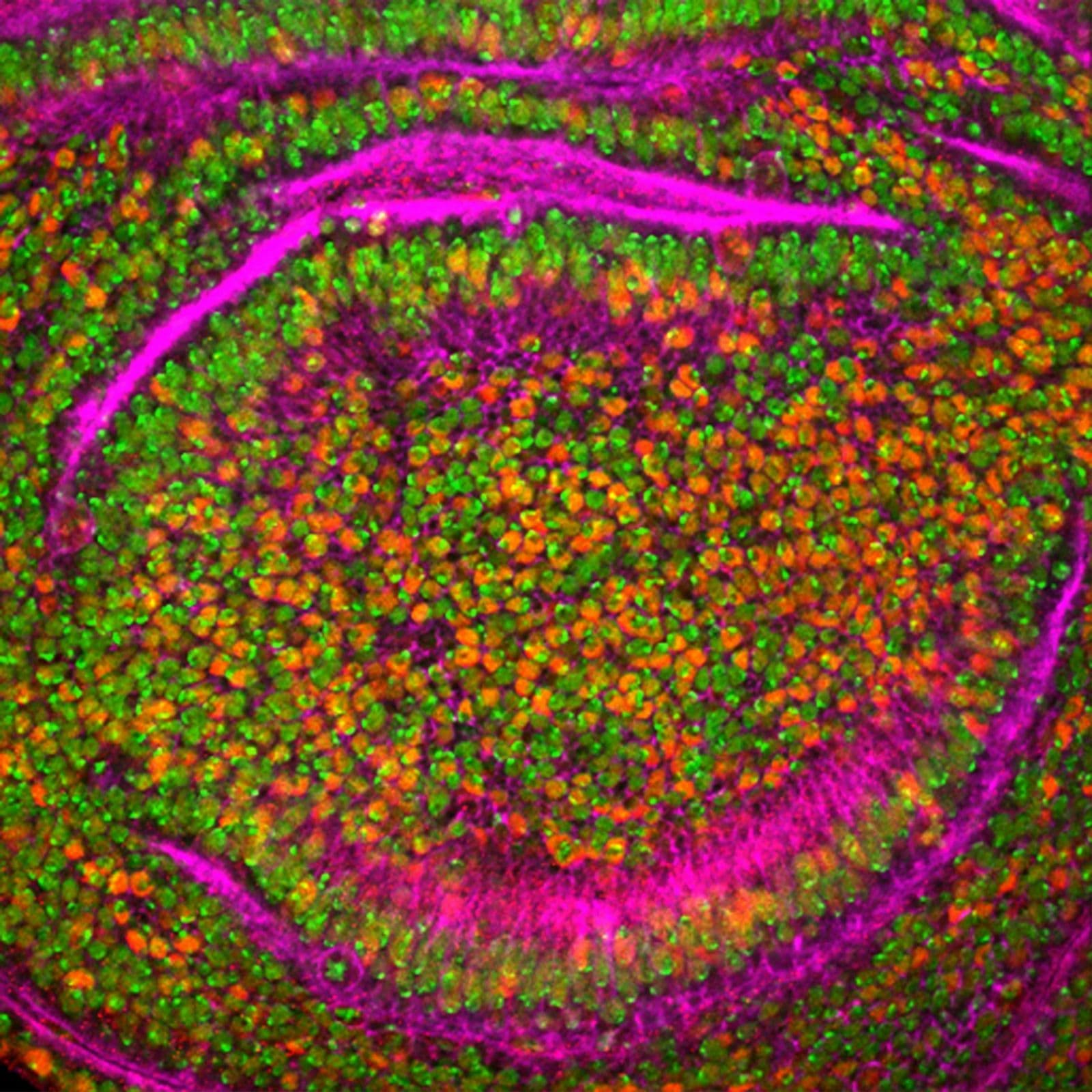 Mutation-informed Drosophila modellingHow selected tumour mutations guide the design of an engineered fruit-fly model.Read more
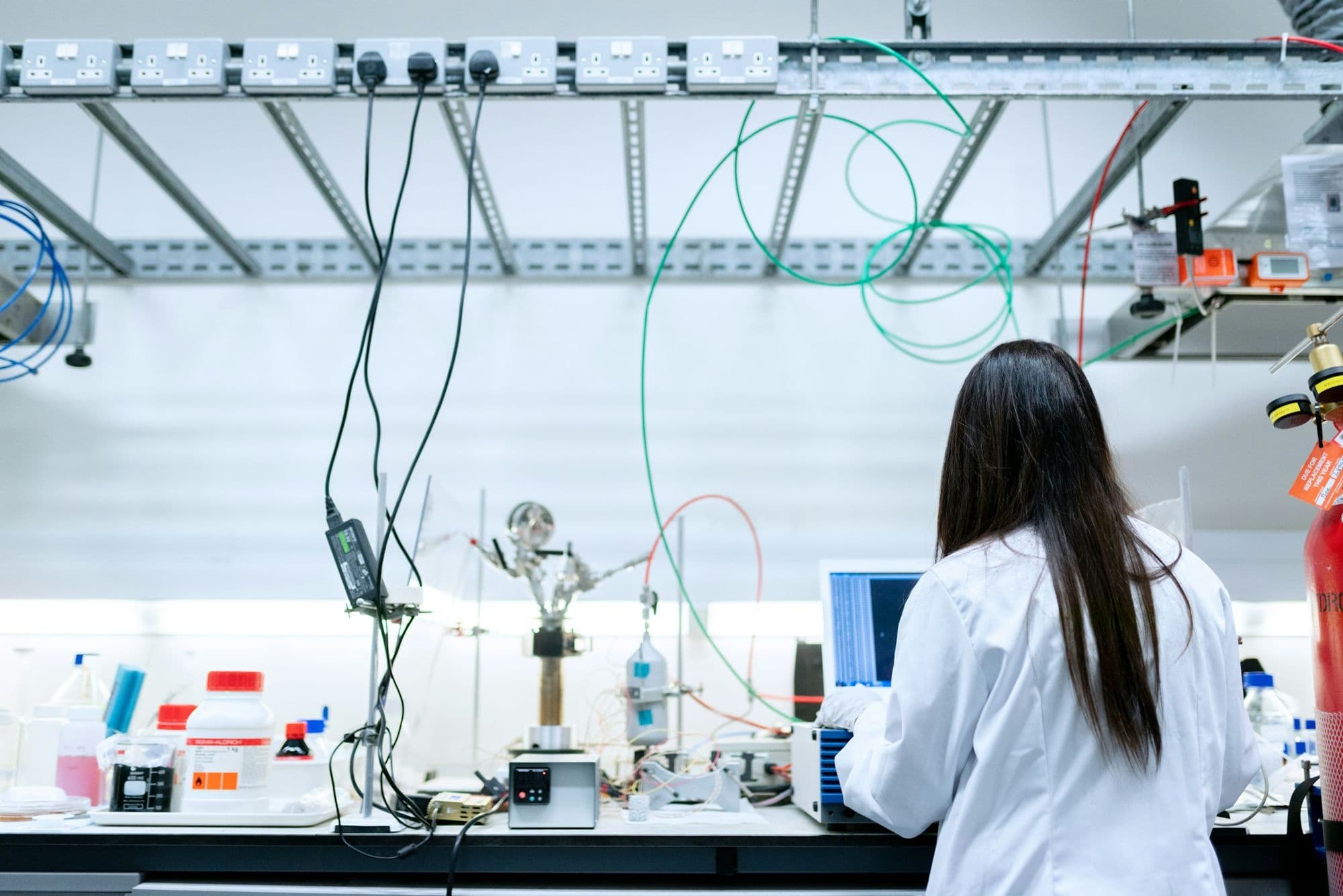 Research outputsHow computational and experimental observations come together in one report.Read more
Discuss an AVATAR research collaboration.
For oncologists, research institutions and industry partners.