

Skip to content
Skip this journey

OnKommon Twin · Our core

Your cancer. A living, evolving model.

An evolving digital model of the cancer journey — molecular findings, treatment intelligence and emerging evidence in one clinician-led view, reviewed over six months.

01 · Inside one cell

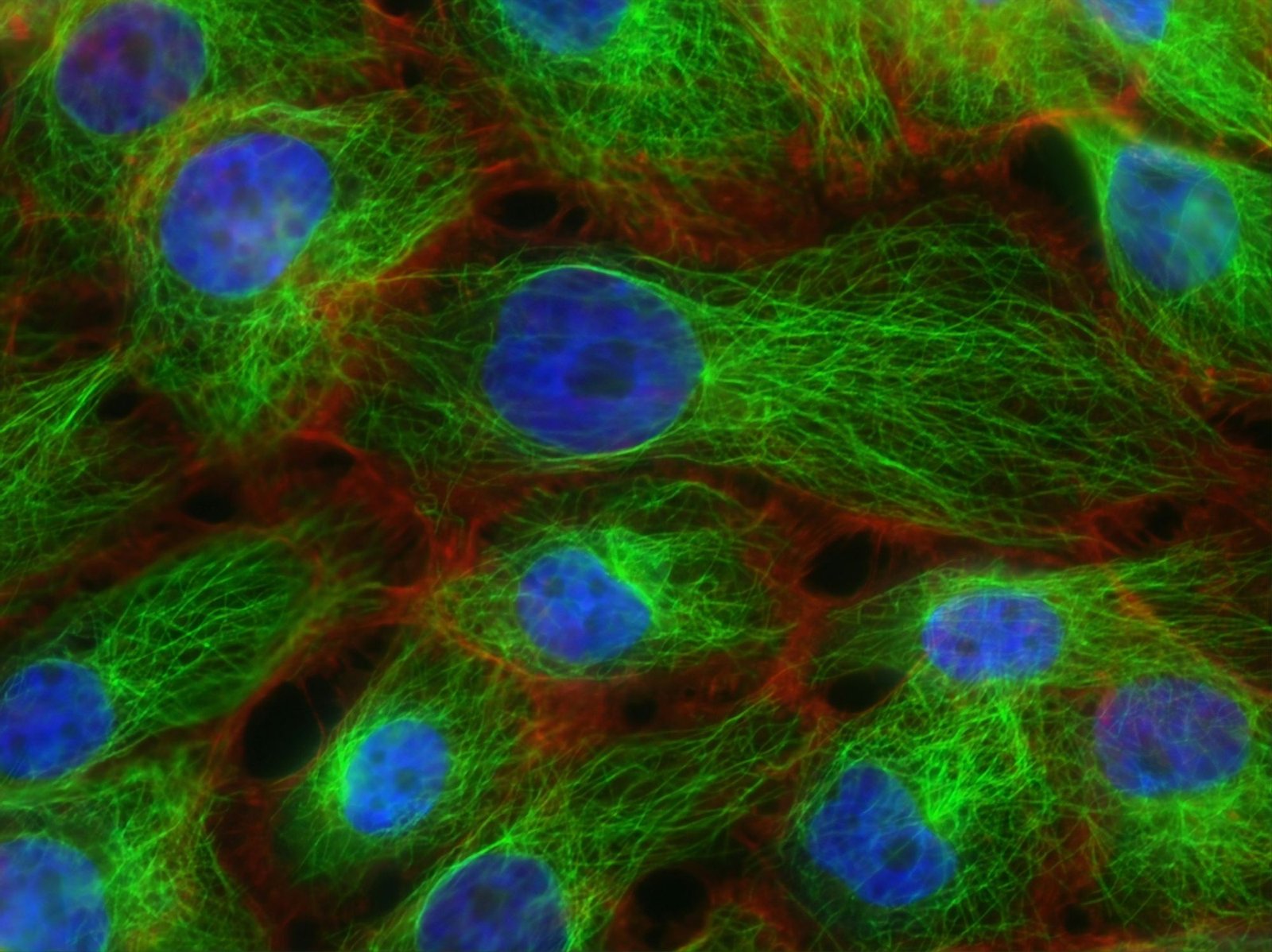
Cancer begins inside a cell.

Molecular testing reads what has changed in a tumour's DNA and RNA — within what each test covers.

02 · The genome

Inside each tumour, the genome changes.

Some changes may drive growth. Many are background. Some remain unresolved. Telling them apart is where interpretation begins.● Likely driver● Background● Unresolved

03 · The evidence

The evidence lives in pieces.

Molecular & genomic · Tumour biology · Clinical context · Imaging integration · Immune landscape · Treatment exposure · Patient factors · Evidence ecosystem — arriving separately, and changing over time.

04 · Our core technology

Twenty-one layers. One living model.

OnKommon Twin's proprietary 21-layer analytical architecture — five groups of layers, each asking a defined scientific question. Not every layer runs for every case.

05 · Layer by layer

Inside every layer.

Keep scrolling to move through all 21. Each layer states the question it asks — and what it cannot establish.

06 · The decision

Every layer informs. The oncologist decides.

Every Twin report is reviewed and signed by the treating oncologist, then taken to KPCIRC's Molecular Tumour Board.

07 · Testing pathways

Four ways in.

One route for blood cancers and three for solid tumours. The pathway sets what data the Twin starts from.
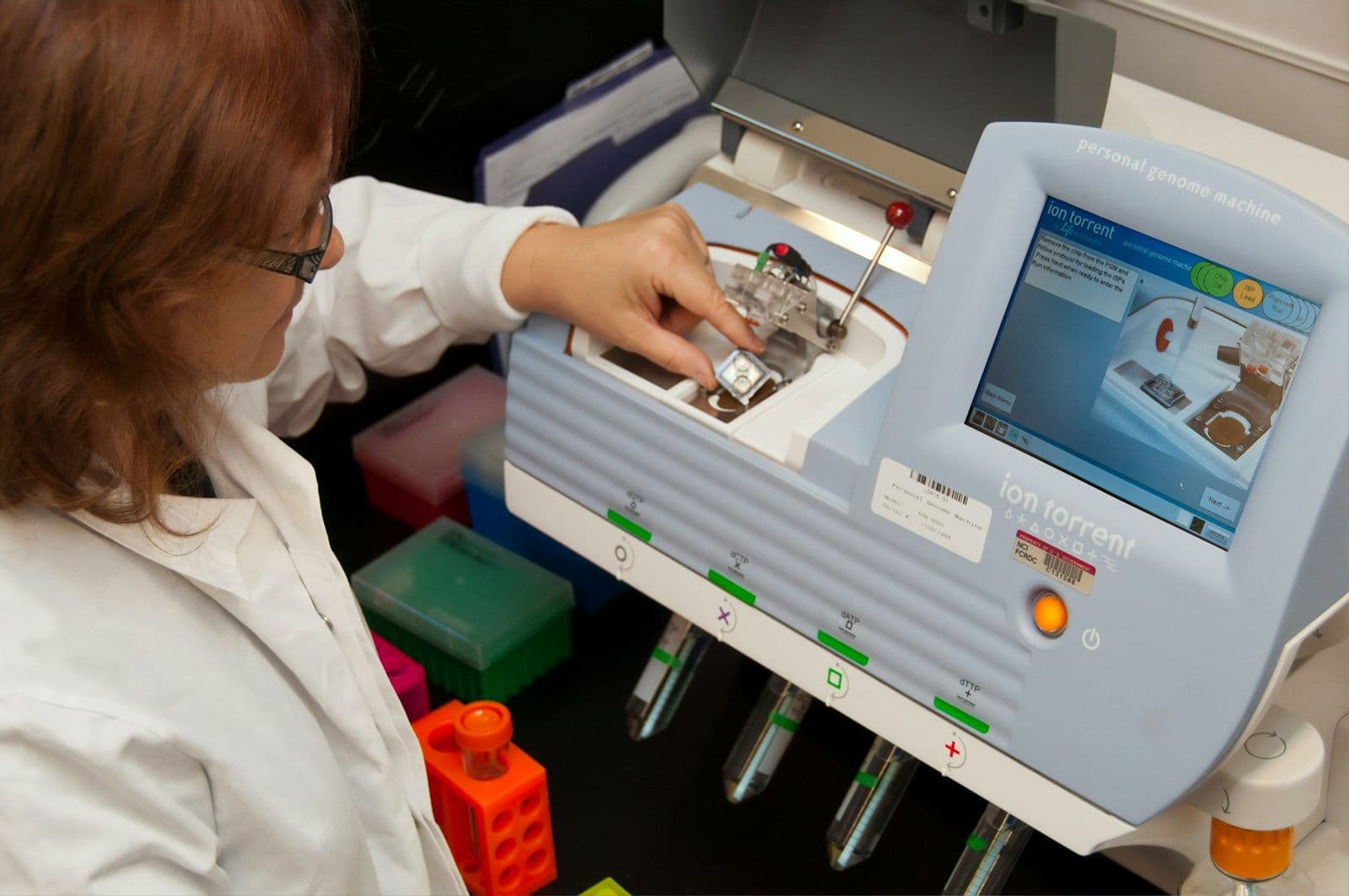
02Solid tumours

Exome / WES

Whole-exome sequencing (WES) across every protein-coding gene.
03Solid tumours

Liquid 523

523-gene ctDNA panel from plasma. Hereditary testing included for germline filtering.
→Not sure which?

The treating team chooses.

The pathway depends on the cancer, the sample available and the clinical question. Compare the four routes side by side.

Try it · Build a Twin

Choose a pathway. Add what is known. Watch the layers respond.

Each analytical layer draws on particular kinds of information. Toggle what is available and see which layers — and which report sections — it reaches.

1 · Testing pathway

Whole-exome sequencing (WES) across every protein-coding gene.

2 · Information available

Molecular findings come from the selected pathway and are always present.

3 layers have all the information they draw on, 16 have some of it.
  • All inputs
  • Some inputs
  • Depends on confirmed assay scope
  • No relevant input

Select any segment of the ring to see the question that layer asks and the information it draws on.

3 · Report sections informed

  • 01Executive molecular summary4/4
  • 02Molecular findings8/9
  • 03Treatment options5/6
  • 04Clinical-trial matches1/1
  • 05Longitudinal view6/6

09 · What the oncologist receives

One structured report.Five clear parts.

Each part separates source data from interpretation and states its evidence strength and uncertainty. Options are offered for evaluation — never as prescriptions.

OnKommon Twin · Structured report

  1. 01

    Executive molecular summary

    Overview, key findings, clinical context.

    Distinguish source data from interpretation.

  2. 02

    Molecular findings

    Genomic and biomarker findings, in context.

    State coverage, evidence strength and uncertainty.

  3. 03

    Treatment options

    Evidence-informed options to evaluate.

    Options to evaluate — never phrased as autonomous prescriptions.

  4. 04

    Clinical-trial matches

    Trials matched to patient and biomarkers.

    A potential match is not eligibility or enrolment confirmation.

  5. 05

    Longitudinal view

    Findings and change, over time.

    Show only updates supported by actual inputs and cadence.

For review and signature by the treating oncologist

Skip this journey

The Twin lifecycle · 01 · Sample

It begins with a sample.

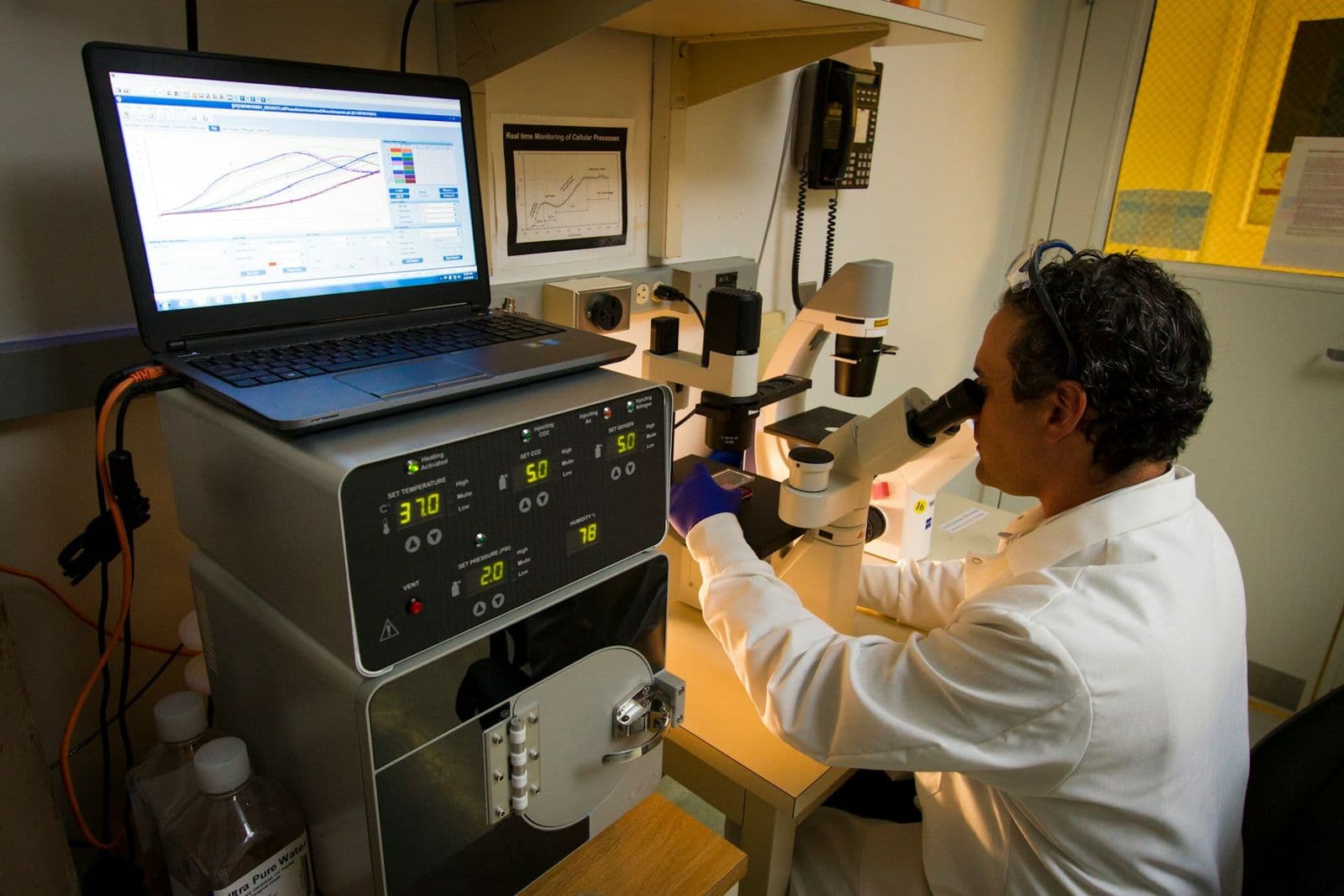
Blood, bone marrow or tumour tissue — depending on the testing pathway the treating team chooses.

02 · Sequencing

The sample is sequenced.

Sequencing reads the tumour's DNA — and RNA where the pathway includes it — and the molecular findings are identified.

03 · Data informs the layers

The data flows into the 21 layers.

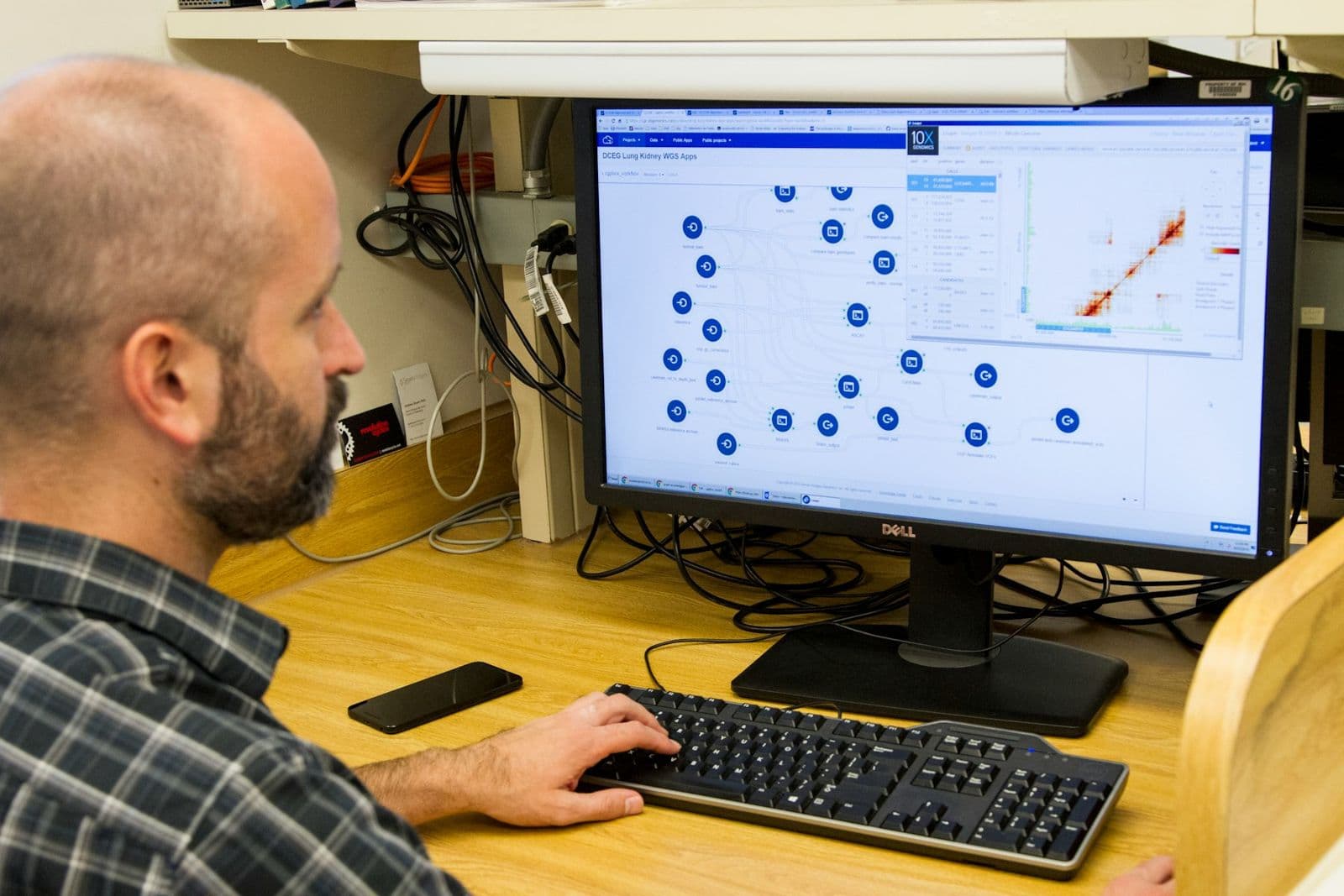
Molecular findings join clinical context, imaging, treatment history and the evidence in Twin's proprietary 21-layer architecture.

04 · Day 0

The Twin is created.

The baseline is established from the available information — and what is missing is recorded.

05 · Longitudinal monitoring

Every change goes in.

Platelets, LFT and IHC panels, scans, symptoms and treatment changes — shared by the patient or care team by upload or on WhatsApp — are added to the Twin as they happen.

06 · Symptom mapping

A new symptom is mapped.

When the clinical picture changes — a new symptom, result or scan — the change is mapped onto the Twin and connected to the evidence.

07 · The model updates

And the model updates.

Dynamic Twin Updates refresh the model so the picture reflects what has changed. New evidence can prompt reassessment.

08 · Track monitoring

A genetic read, every three months.

Twin tracks are OnKommon's genetic tracking tests — each with its own designed panel, ranges and integrated biomarkers. Track 12, 47 or 118 keeps the Twin alive across a journey of up to 12 years.

09 · Over the years

The Twin evolves with the patient.

Every update is reviewed and signed by the treating oncologist — who decides what comes next.

Two kinds of monitoring

Every change, and every three months.

The Twin stays alive through two streams that work together.

Stream 01 · Longitudinal monitoring

Every change goes in.

Any new test, scan or symptom — shared by the patient or the care team as it happens, by upload or on WhatsApp — is added to the Twin and read against everything already known.

PlateletsComplete blood countLFT panelKFT panelIHC panelTumour markersCT / PET scanMRINew symptomTreatment changePathology reportClinic notesPlateletsComplete blood countLFT panelKFT panelIHC panelTumour markersCT / PET scanMRINew symptomTreatment changePathology reportClinic notes
Longitudinal monitoring

Stream 02 · Track monitoring

A genetic read, every three months.

Twin tracks are OnKommon's own genetic tracking tests — each with its own designed panel, ranges and integrated biomarkers — run every quarter and integrated into the Twin.

  1. Month 3
  2. Month 6
  3. Month 9
  4. Month 12
Track 12 · 47 · 118

Patient journeys

Three ways a Twin lives.

Examples of packages a treating oncologist can design — scroll to follow one patient through twelve months.

  1. M00Exome (WES) sampleThe tumour is sequenced across every protein-coding gene. The Twin is created at Day 0.
  2. M01PlateletsA new blood count arrives on WhatsApp and is added to the Twin.
  3. M02LFT panelLiver function results are uploaded and read against the treatment history.
  4. M03IHC panelA new IHC report joins the molecular picture.
  5. M04CT scanImaging is added and change over time is mapped.
  6. M06Month 6 · Twin + Track 118A Track 118 genetic read and a full Twin review. The oncologist sets the next step.
  7. M08New symptomA new symptom is mapped onto the Twin and connected to the evidence.
  8. M10LFT panelFollow-up results keep flowing in.
  9. M12Month 12 · Twin + Track 118A second Track 118 read and a full Twin review — a year of the cancer journey, in one model.

Amodeloftheavailableinformation—notacopyofthepatient.Reviewedasnewevidencearrives.Itinforms;itneverdecides.

11 · Clinical authority

The treating oncologistowns every decision.

Every Twin report is reviewed and signed by the treating oncologist, then taken to KPCIRC's Molecular Tumour Board. “The Clinical Twin belongs to the treating oncologist and their patient.”
A gold fountain pen resting on a white surface.

Structured report

Treating oncologistReviewed & signed

12 · Clinical governance

Clinical authority, built in.

Clinical ownership

The treating oncologist owns everything.

“The Clinical Twin belongs to the treating oncologist and their patient.” OnKommon organises the evidence; the oncologist reviews it, signs it and makes every decision.

  • You decide

    Clinical authority stays with you.

  • You review and sign

    Every report reviewed and signed by you.

  • You control access

    Access follows your approved workflow.

  • The Twin evolves with you

    New evidence can prompt reassessment.

See Twin in a professional demonstration.

Walk through the testing pathways, the report and the sign-off process with the team.

Continue the journey

The 21 analytical layers

Step inside every layer.

→